
Print Methods
Screen printing or DTF? Start with the artwork.
5 min read
Screen printing and direct-to-film printing can both produce sharp, durable apparel. The useful question is not which one is universally better. It is which one makes sense for this artwork, this quantity, and this garment.
Choose screen printing for impact and repeatability
Screen printing is a strong fit for bold graphics, defined spot colors, and production runs where the same design repeats across a meaningful quantity. Each color is prepared separately, then printed through a registered screen.
The result has the direct, graphic character people associate with classic band tees, uniforms, brand merchandise, and streetwear drops.
- Solid-color logos and bold illustration
- Medium and larger runs
- Projects where exact ink color matters
Choose DTF for detail and flexibility
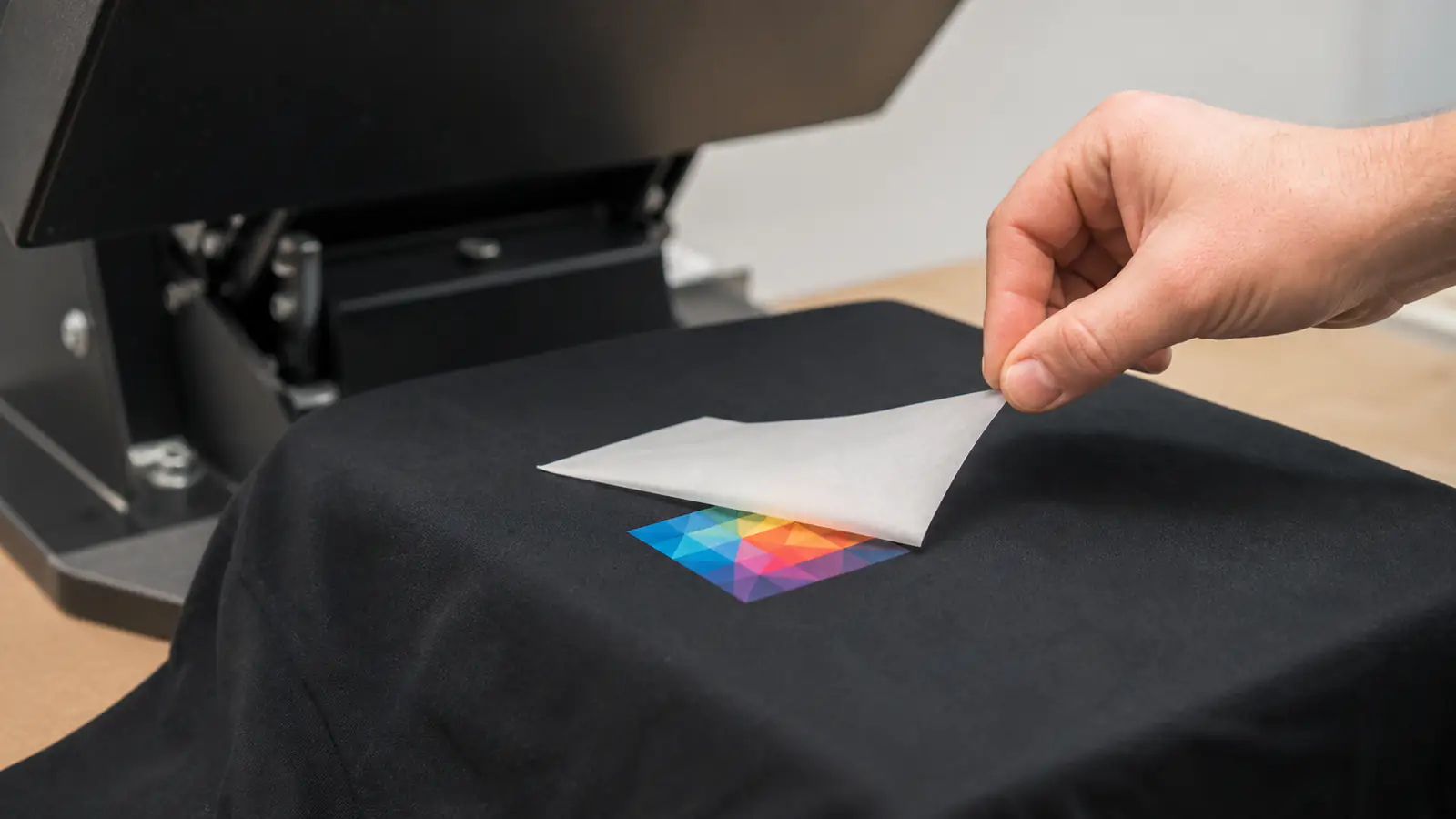
DTF handles full-color artwork, fine detail, gradients, and shorter quantities without building a separate screen for every color. The artwork is printed to film, powdered with adhesive, cured, and heat-pressed to the garment.
It is especially useful when a run includes complex artwork or flexible quantities, and when personalization such as names or numbers is part of the job.
- Full-color and highly detailed artwork
- Small runs or mixed quantities
- Names, numbers, and one-off variations
Let the garment break the tie
Fabric, garment color, placement, and the desired hand feel can change the recommendation. A heavy cotton tee, performance jersey, tote, and fleece hoodie do not all respond the same way.
Send the artwork and garment idea early. We can flag fine lines, transparency, placement limits, or color concerns before they become production problems.